


Okay, so check this out—I’ve had wallets come and go on my browser. Wow! My first impression was: speed matters, and on Solana that felt obvious. Medium latency, clunky UX—no thanks. But then one afternoon something clicked when I was juggling NFTs, swaps, and a quick airdrop claim, and my instinct said: this is different.
Whoa! The fast confirmations were immediate. Seriously? Yes. Initially I thought browser wallets were all about convenience, but then I realized they’re also about trust at the UI layer, which is weirdly overlooked. On one hand the extension keeps your keys handy; on the other, you give a tab a lot of responsibility—though actually, if the extension handles permissions cleanly, that tradeoff can be worth it.
Here’s the thing. Extensions are tiny apps running in your browser, and they bridge the web to your private keys. Hmm… that felt risky at first. I was biased toward hardware wallets, but using a browser extension is often way more practical for everyday stuff. My instinct said don’t keep everything there, and I still think that way, but for day-to-day interactions it’s super handy.
Short story: extensions are convenient. Really? Yep. But convenience invites carelessness. If you paste seed phrases in the wrong place, you pay. I’m not trying to scare you, just saying the tradeoffs out loud. (Also—some features bug me, more on that later.)
For anyone new to the Solana ecosystem, a browser extension wallet acts like your passport to apps, NFTs, and DeFi. Here’s a concrete example: you click “Connect,” approve a signature, and bam—you’re transacting without copy-pasting long keys. That flow saves time and reduces error. It also makes it easier to test new dApps without fumbling with CLI tools or external devices.
What I Like (And What Still Makes Me Nervous)
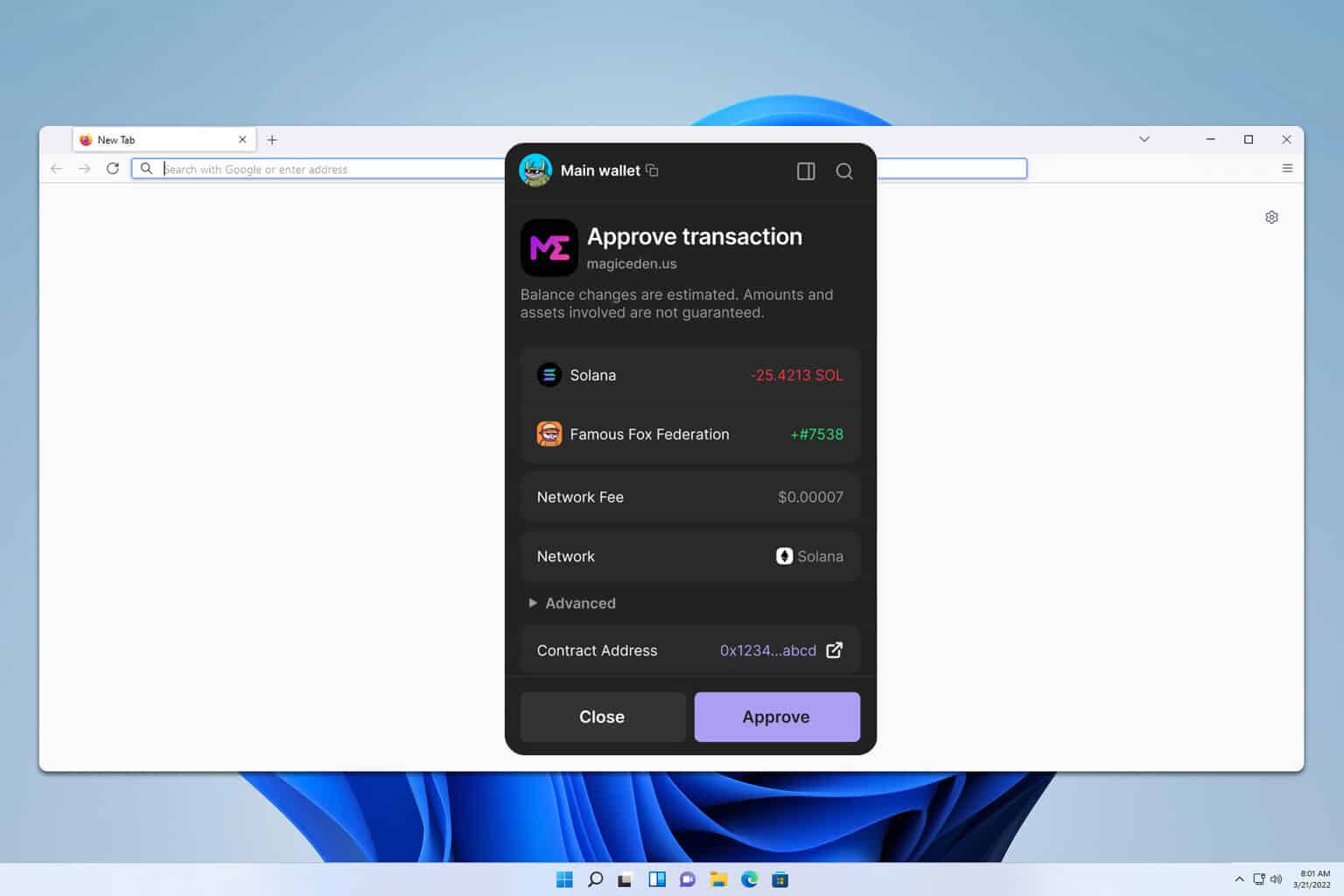
There’s speed. There’s UX that doesn’t make you guess what’s happening next. Wow. I like clear transaction details and sane permission prompts, because somethin’ as simple as a vague pop-up can ruin trust. Initially I thought that more features always meant better security, but then realized complexity often creates more attack surface. Actually, wait—let me rephrase that: useful features are great, but only when the UI helps users make safe choices.
Really? Phishing is real. Very very real. On the coast-to-coast trips I do (figuratively, not literally), I see folks clicking without reading. That part bugs me. So a good extension gives an obvious origin indicator, a clear contract summary when possible, and simple ways to revoke approvals.
On the technical side, Solana’s transaction model is different from Ethereum’s. Hmm… that changes UX patterns. Because fees are tiny and confirmations are fast, users do more micro-actions, which can mean more signature prompts. On one hand it’s liberating to execute small trades instantly; on the other, frequent prompts can cause consent fatigue. My working solution? UX that clusters operations and labels them clearly so I can make informed choices without getting numbed.
Security-wise, I split assets. I use an extension for daily spending and a cold-holding solution for long-term storage. Here’s the honest part: I’m not 100% sure about every threat vector. But I do know social engineering and browser-level exploits are where people get hit. So reduce exposure, and assume you will need to act if something seems off.
Practical Tips I Use Every Day
Keep the extension up to date. Wow. Seriously—it’s basic but ignored. Patches often plug critical bugs that you don’t want to learn about via lost funds. Use hardware-backed accounts for the big stuff. If you must approve scripts, check provenance and ask: do I trust this site with repeated authority?
Pin the extension and name your accounts meaningfully. Hmm… sounds minor, but it helps avoid clicking the wrong account during an NFT mint frenzy. Use network awareness tools if available. For instance, if a dApp suddenly requests an unusual set of permissions, pause. On one hand it could be legitimate for a new feature; though actually it might be a bait-and-switch.
I also keep a small “hot” balance for gas and daily buys, and move larger amounts to cold storage. That’s my bias, true, but it works. (oh, and by the way… I check activity histories more often than I like to admit.) When you spot a transaction you don’t recognize, revoke permissions and search your wallet’s recent approvals immediately.
Why I Mention phantom wallet
I’ve tried a handful of Solana extensions, and one that keeps coming up in chats and developer threads is phantom wallet. Whoa! People like it for its clean UI and dev-friendly hooks. My first runs were casual; then I used it to manage a handful of collections and some DeFi positions, and things just felt streamlined.
Initially I thought it was hype, but then realized its integrations (wallet adapters, built-in swap) actually reduced friction. That said, sometimes UI updates rearrange things unexpectedly—so expect a small learning curve after major releases. I’m biased toward wallets that balance simplicity with clear security cues, and in daily use it meets that bar for me.
Also—if you’re using it, keep your seed phrase offline and never paste it into web forms. That rule is obvious but people still slip up. If you want to be extra safe, use a hardware key for large transfers and keep the extension for quick interactions only. It’s a simple habit that prevents a lot of headaches.
Developer and Power-User Notes
If you build on Solana, extension wallets are invaluable for quick testing. Really? Yep. You can spin up a local validator, deploy, and sign from the browser with minimal friction. But watch your dev keys. Somethin’ you often forget is to separate test accounts from mainnet accounts, especially when experimenting with scripts and automation.
On the metrics side, watch signature counts, RPC latency, and how the wallet handles retries. Those details matter when you automate actions or run time-sensitive operations. On one hand it’s easy to assume the wallet is just a UI; on the other, it plays a key role in reliability for dApp performance—so treat it as part of your stack.
For advanced users: export public keys for on-chain programs, review serialized transaction structures when debugging, and use network explorers to cross-check transactions. These are small habits that reduce dumb mistakes. I’m not a perfect checklist person, but these keep my deployments sane.
Frequently Asked Questions
Is a browser extension wallet safe for NFTs and small trades?
Yes, for daily use it’s practical. Wow. But keep significant holdings elsewhere. Use the extension for convenience, and cold storage for large, long-term holdings. Also check permissions regularly and revoke ones you no longer need.
What if the extension gets compromised—what’s the immediate action?
First, disconnect from suspicious sites. Next, move any accessible funds to a safe wallet if possible. Hmm… then revoke approvals where supported, and consider importing your seed into a new client after verifying environment safety. I’m not 100% sure of every scenario, but acting fast reduces damage.
How do I choose between different Solana wallet extensions?
Look for clear permission prompts, active maintenance, good community feedback, and integration with popular dApps. Also prefer wallets with open-source audits if you care about transparency. Personally, I lean toward options that balance UX and security rather than flashy features alone.